Project idea
How to Choose Dried Flower Decor for Your Room
Choose a place, a shape and a focal point. Explore eleven dried flower projects through tables, walls, small accents and personal details.
Dried flower decor starts to make sense when you give it a particular place. A table you use every day, an empty stretch of wall or a corner beside a favourite chair each asks for a different kind of object. Before choosing flowers, decide what that place needs: a small detail, a clear focal point or a little height.
The eleven projects below offer different ways to think through that choice. Some belong directly to an interior; others are bouquets and personal accessories that help you consider shape, scale and the stories a room can reflect. You do not need to bring every idea into the same space.
Start with the surface you want to decorate
Imagine setting down a cup, opening a book or serving a meal at your table. How much of that surface would you want to leave free? Start there, before choosing the outline of a floral arrangement. A photograph of the empty table gives you a useful reference to return to when an attractive object distracts you from how you actually use the room.
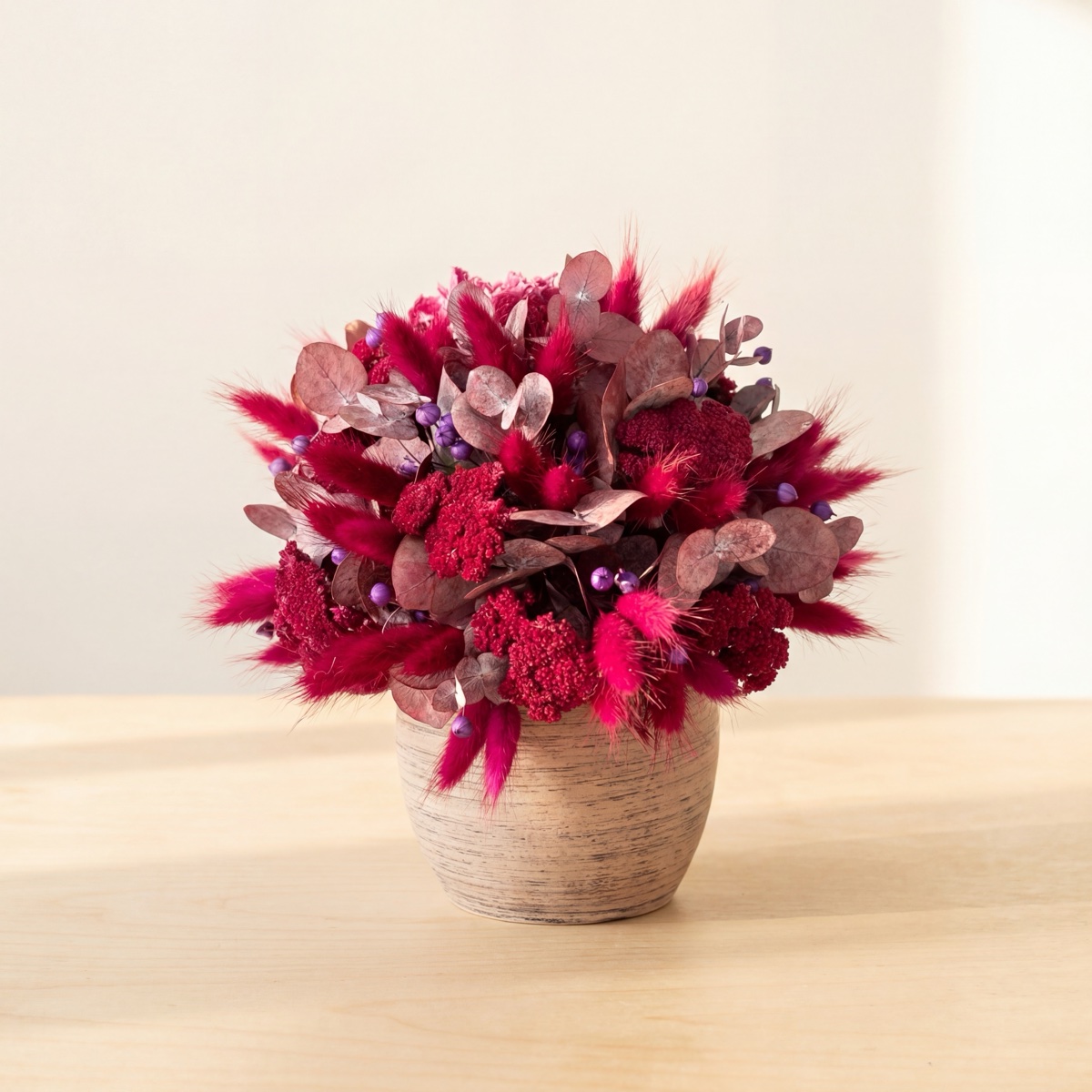
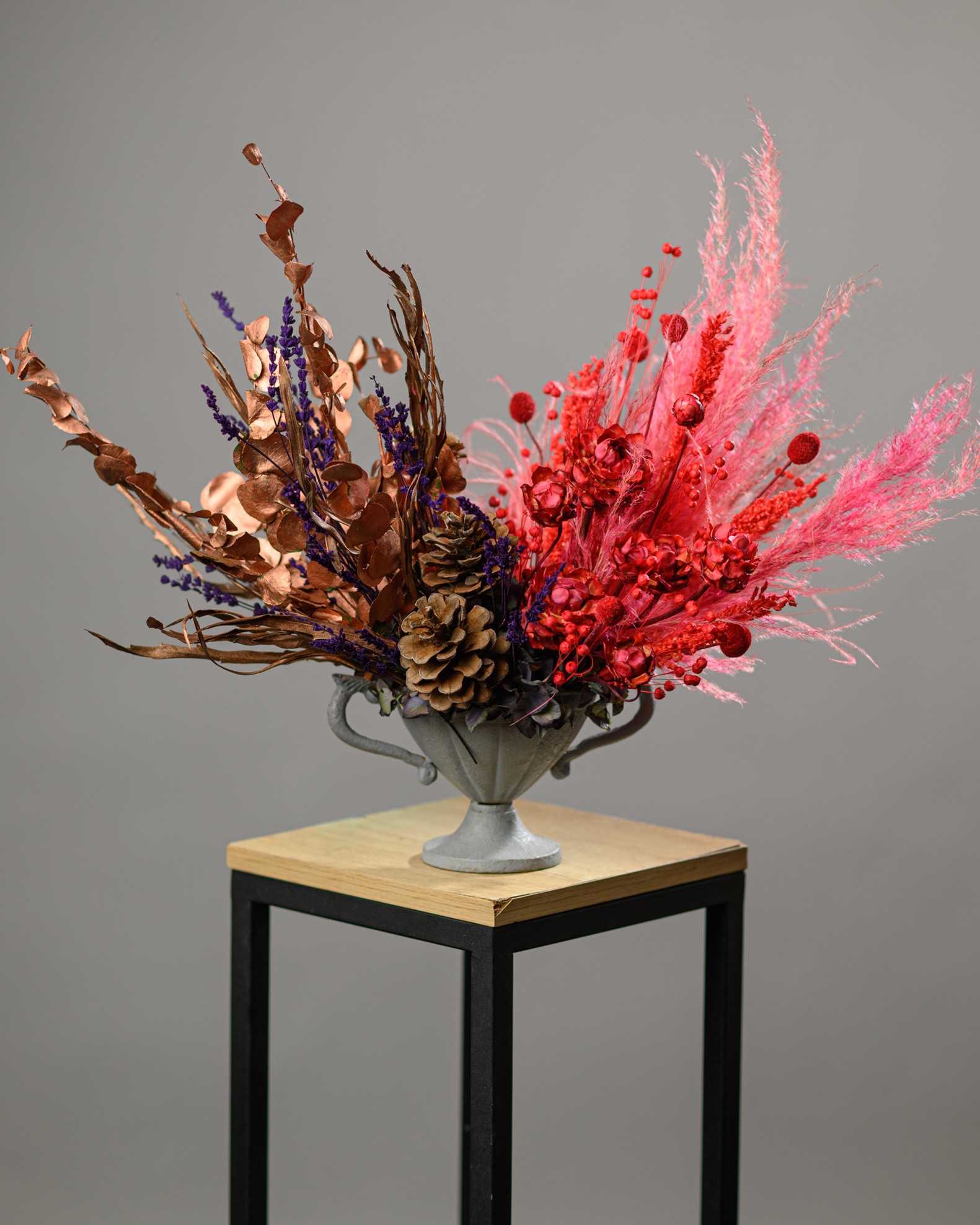
A round dried flower table arrangement presents the flowers as a compact rounded form. The larger spreading arrangement, originally made for a large restaurant table, explores a broader shape. Compare their outlines rather than assuming either photographed piece will fit your own table.
Try this: mark out a possible position on your own table using a sheet of paper. Walk around it and use the table normally. This does not determine the dimensions of either project; it helps you decide how much space you want a future piece to occupy.
Give a wall a clear focal point
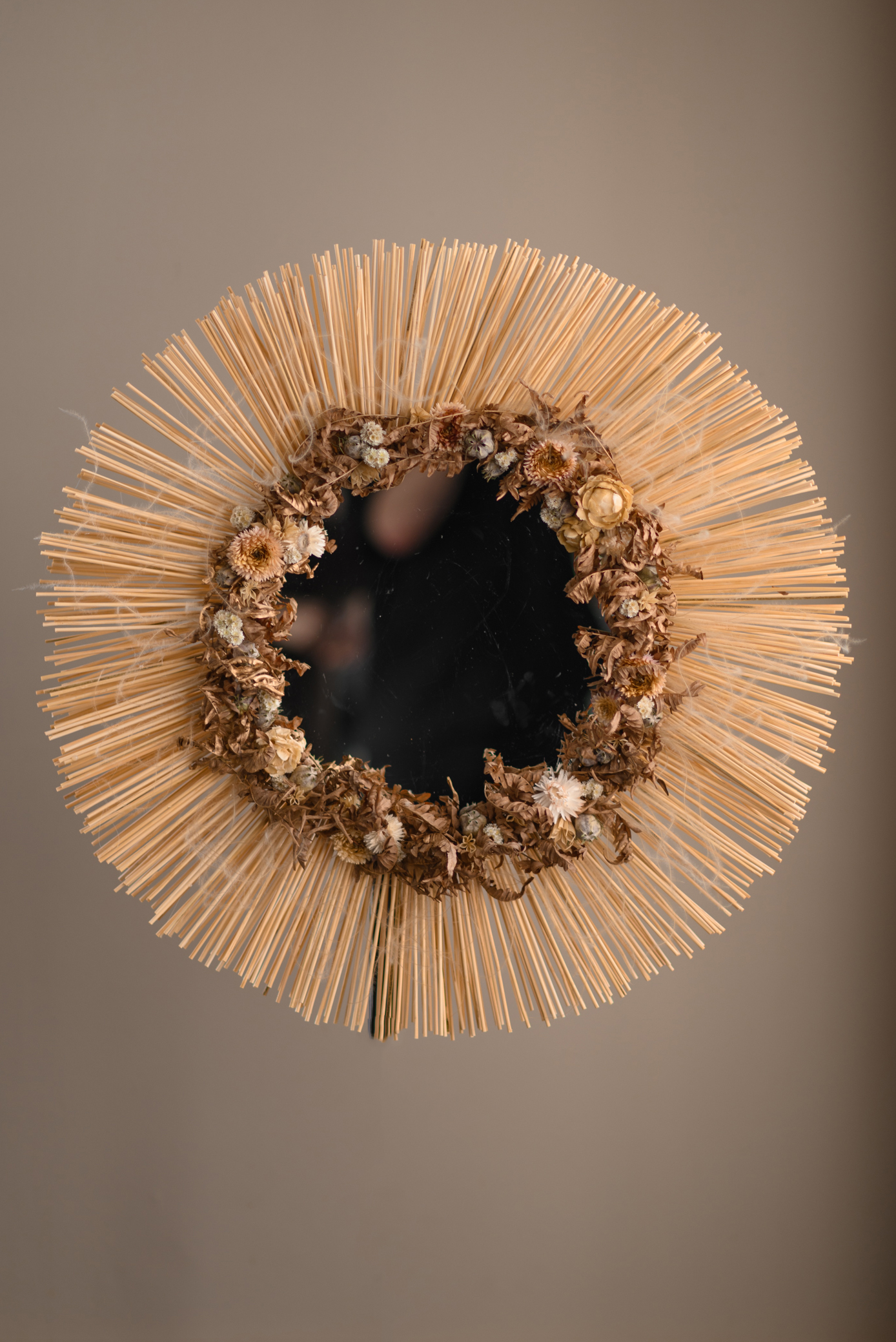
A wall can hold a floral idea without using a tabletop. The first decision is whether the flowers should draw attention to an existing object or become a focal point themselves. Dried flower mirror decor takes the first approach. The mirror remains central, with floral detail around its edge.
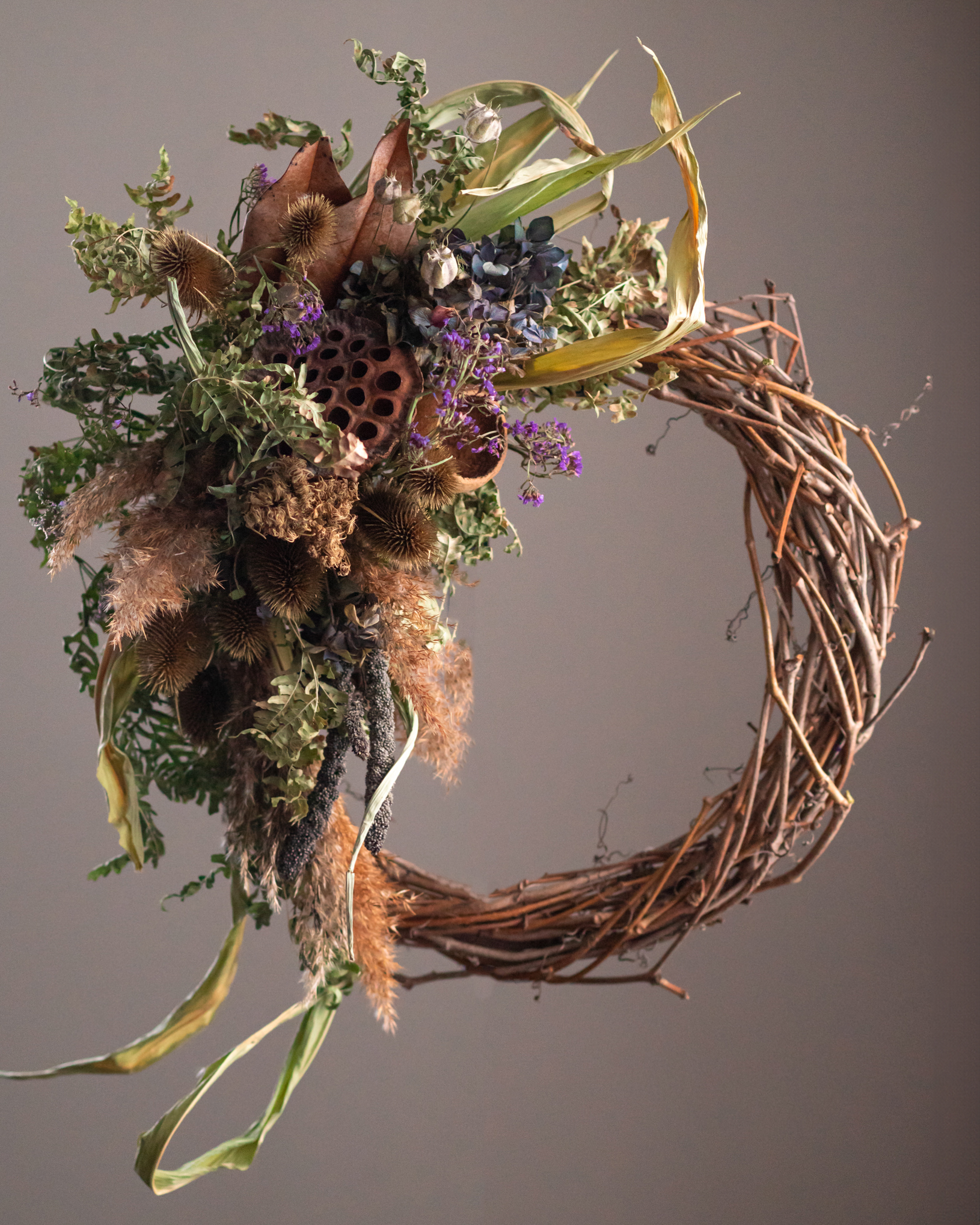
The interior grapevine wreath gives the flowers a different frame: an open centre and a ring of vine. In the pictured piece, the denser cluster sits to one side. Look at the exposed ring as carefully as the flowers; that balance is part of the composition.
Try this: photograph the intended wall from the doorway. Decide where you want your eye to land first. If the wall already holds several pictures, consider how a floral object would join that grouping. Choose the position visually, then assess mounting and dimensions separately for the actual object.
Decide whether the room needs height
Sometimes the missing element is vertical rather than circular. A tall floor dried flower arrangement gives you a reference for a composition that rises from a vessel. The photographed pair makes the upward movement especially clear; it does not mean you need two pieces in your room.
A large hanging dried flower installation approaches space from above. Its scale belongs to a different kind of decision from choosing a small accent. Use it as a visual reference, while treating any real overhead support and installation as a separate practical assessment.
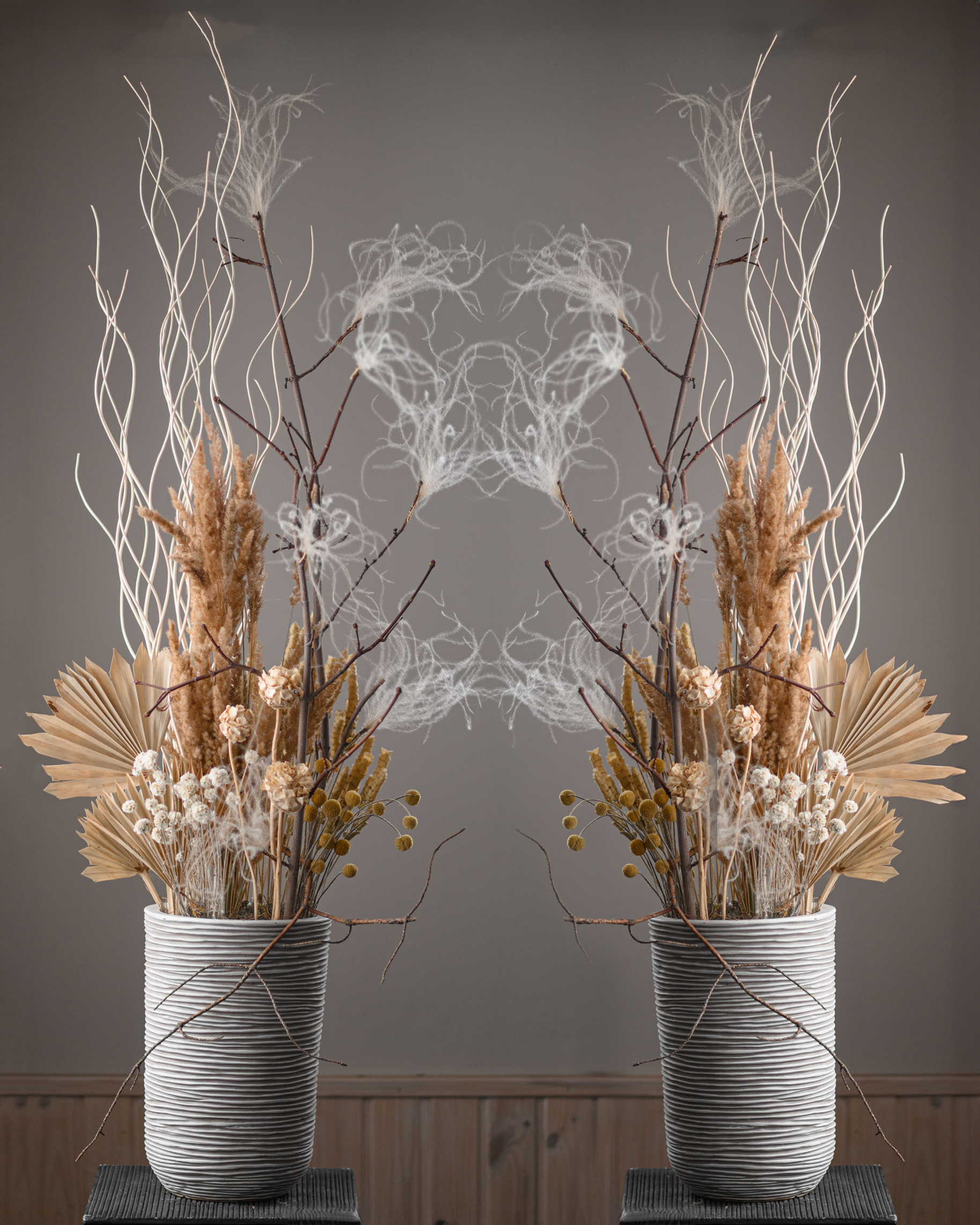
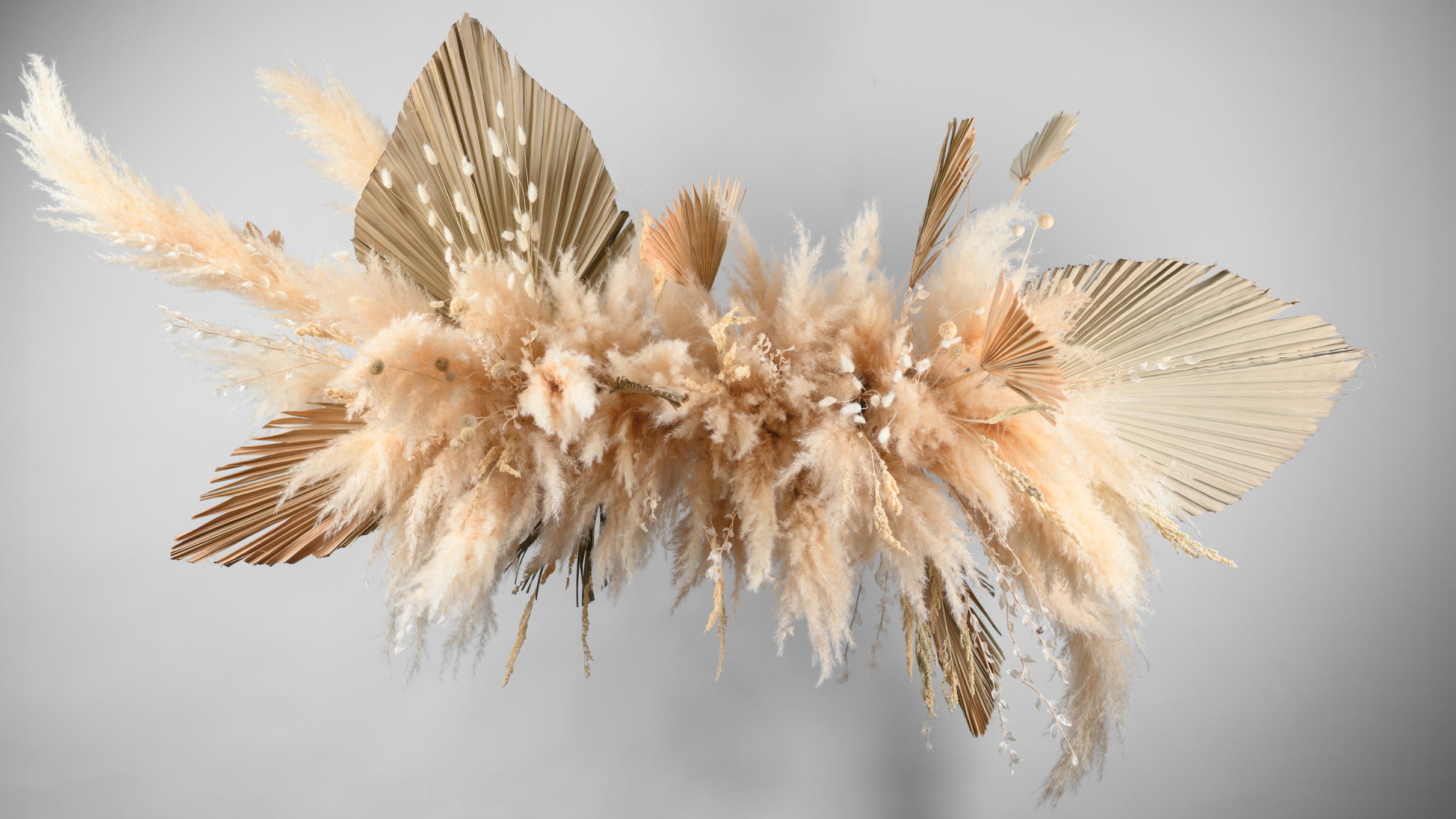
Try this: look at the room from both a seated and a standing position. Note where a tall outline might compete with a window, a light or the route through the room. That observation can help you decide whether a vertical accent is useful at all.
Choose a smaller, self-contained accent
If your room already has a strong focal point, a smaller object may be enough. A dried flower composition under a glass cloche has a clearly defined outer shape: you see the glass outline as well as the flowers inside it. The European round dried flower bouquet offers a rounded floral silhouette without that same glass boundary.
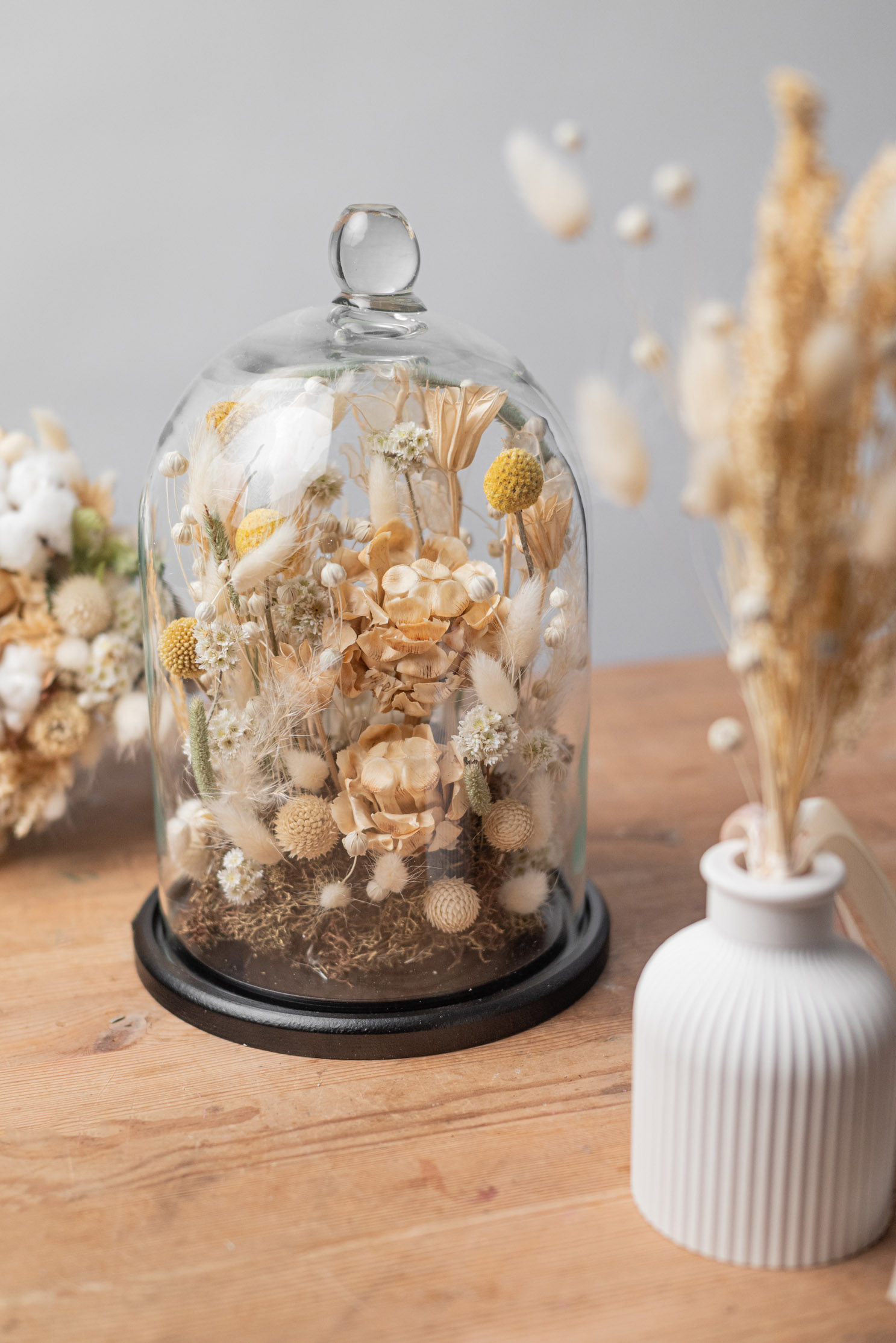
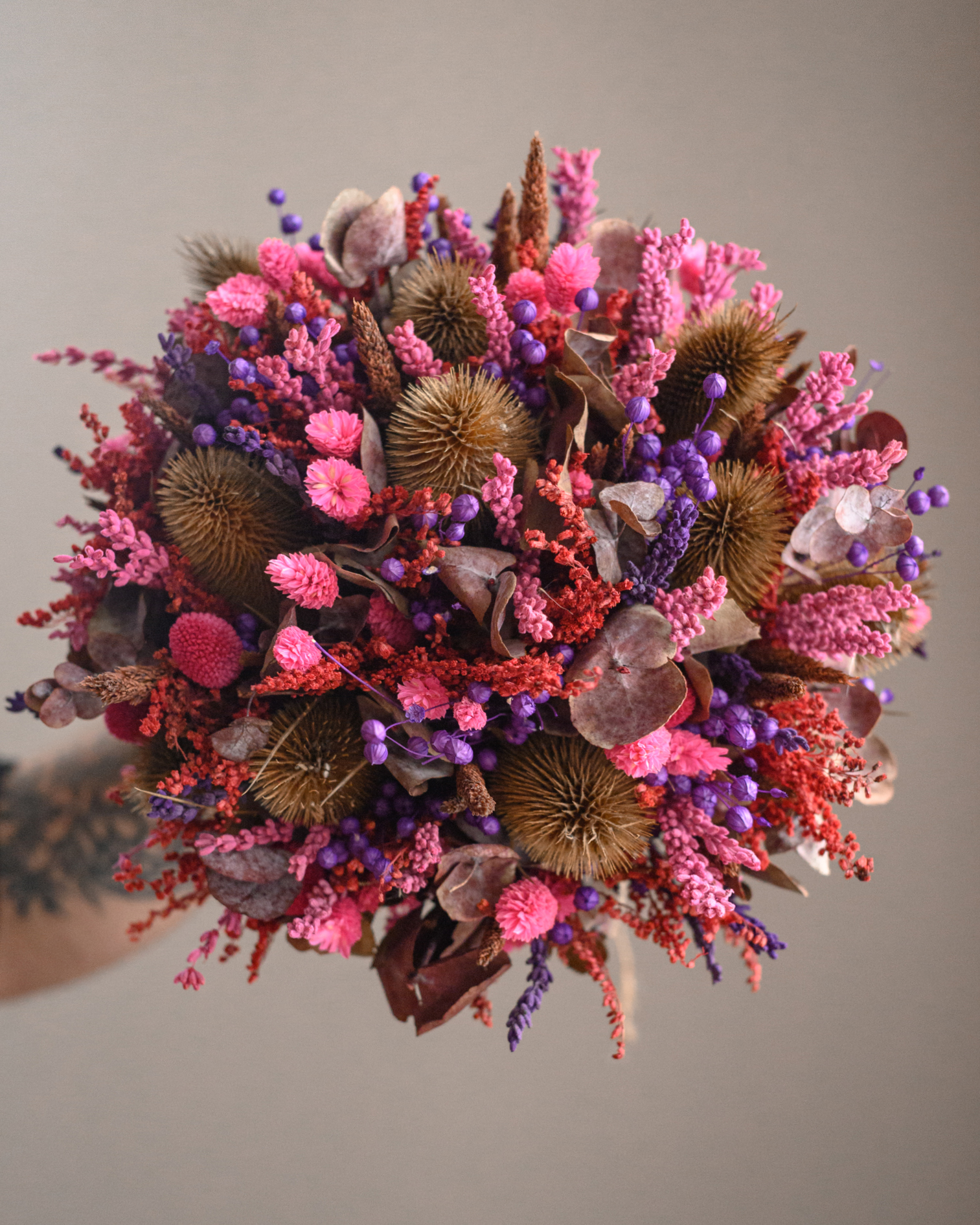
Try this: choose one shelf or small surface and remove the other decorative objects temporarily. Imagine one floral form there, then put back only the objects you want it to sit beside. This is a simple way to discover whether you prefer a single accent or a group.
Bring a personal occasion into the room’s story
Imagine planning a room around photographs of a celebration. The floral details in those photographs might suggest a shape or a colour relationship for the room, even when the original objects were made to be worn or carried. A dried flower bridal bouquet, a wedding boutonniere and a wire-frame floral bracelet offer three very different scales of that personal detail.
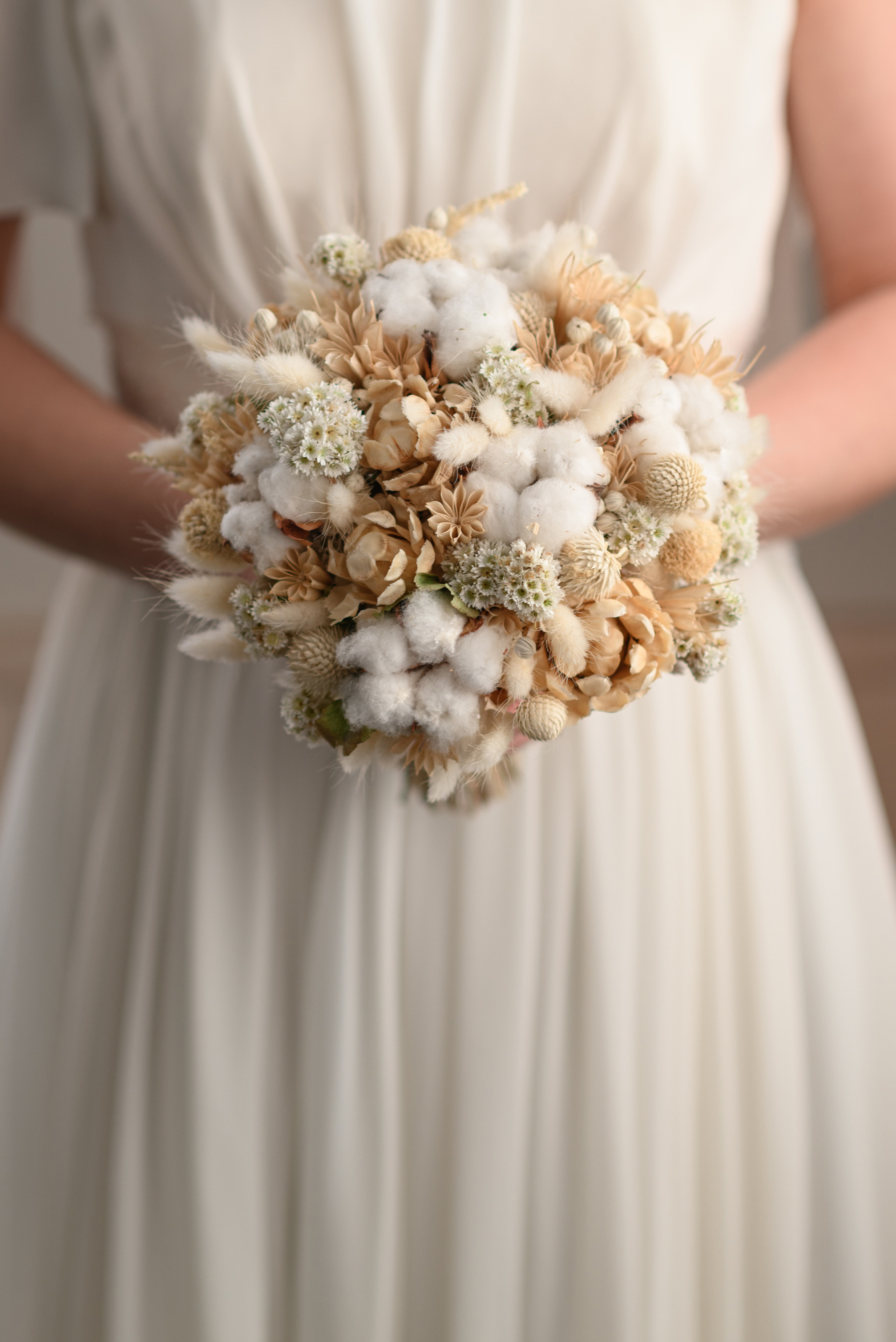
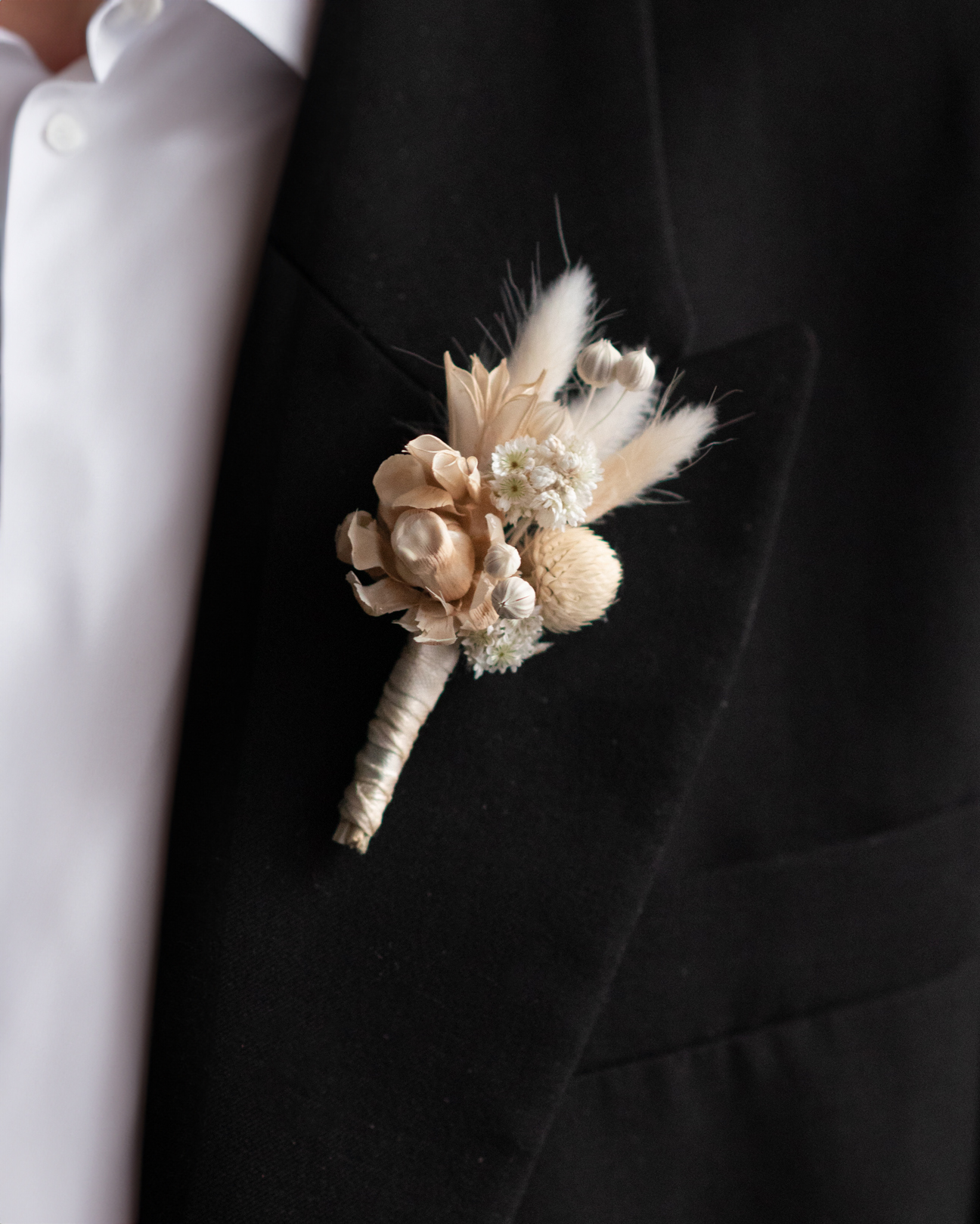
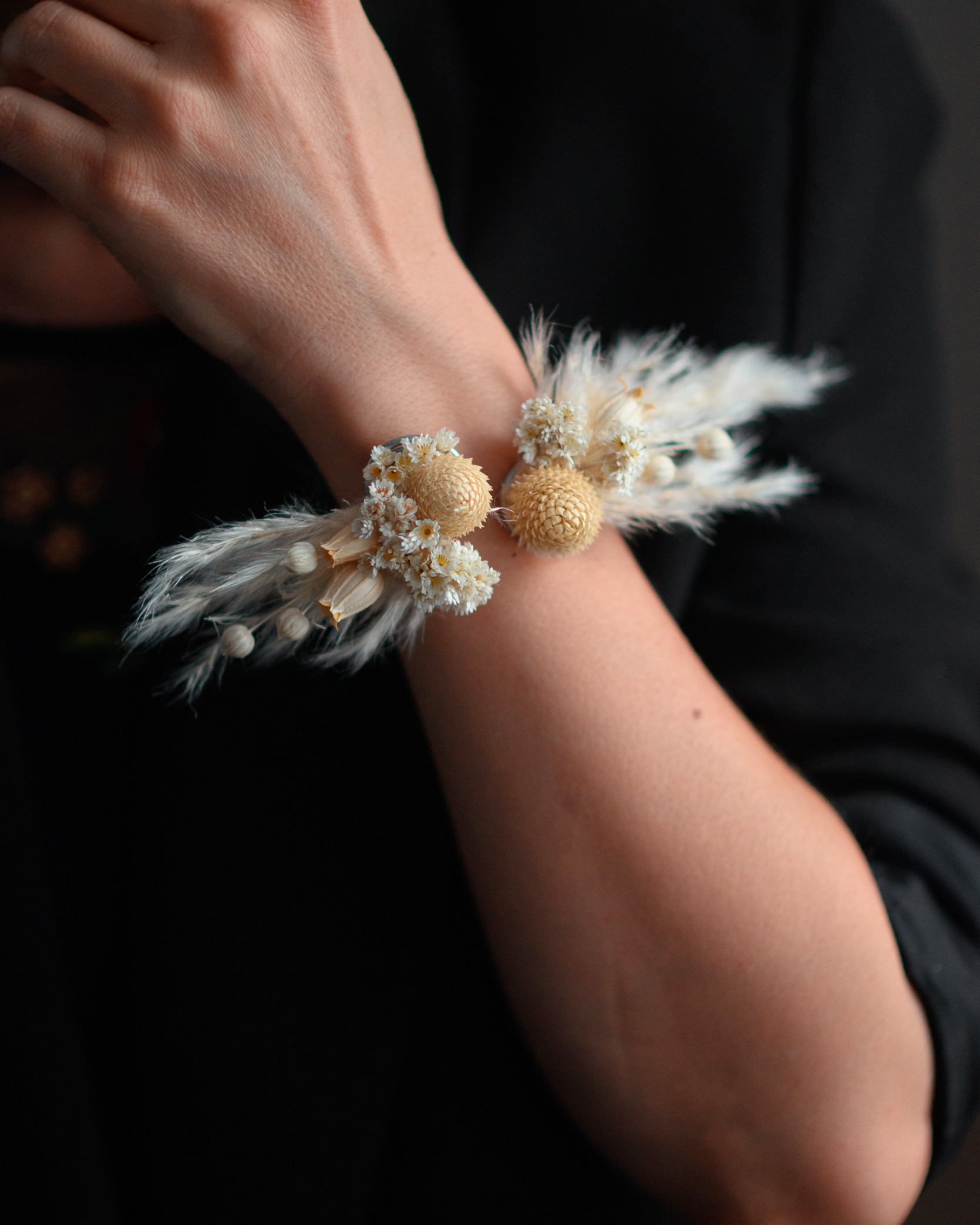
These remain a bouquet and accessories, not ready-made interior objects. You can borrow a visual idea from them without assuming a storage method, a display format or a lifespan. Try this: place an image of a personal detail beside your room photograph and identify just one connection you want to carry forward.
You now have a way to choose among eleven very different projects: start with one place, decide what should attract attention and compare the shapes that could do that job. Add a second piece only when you can say what it contributes. Follow the photographs that interest you for individual project details; the room does not need the whole collection to feel considered.